
That Smarts!: Top 10 Signs and Symptoms Your Wisdom Teeth May Be A Problem
Wisdom teeth, also known as third molars, are the last set of teeth to emerge in the late teens or early twenties and get their name from this time period when people are thought to become older and “wiser.” While some people may have trouble-free wisdom tooth eruption, many may experience a range of issues that necessitate their removal. Recognizing the signs and symptoms of problematic wisdom teeth and seeking early evaluations from an experienced oral surgeon like Dr. Jay Platt can prevent potential complications. In this article, we will discuss the top ten signs and symptoms that indicate the need for wisdom tooth removal and highlight the importance of proactive evaluation to ensure long-term oral health.
Top 10 Signs and Symptoms of Wisdom Teeth Complications

Though wisdom teeth extractions can be performed prior to the teeth ever erupting through the gum line or causing any problems as a result of an evaluation by an oral surgeon, certain signs and symptoms can also necessitate prompt removal before more complex issues result. Here are the top 10 signs and symptoms for which to look that may indicate the need for a visit to your oral surgeon:
- Pain and Discomfort: Persistent pain or discomfort in the back of the mouth, particularly around the molars, can be a sign of problematic wisdom teeth. This pain can radiate to the jaw, ear, or even the neck.
- Swelling and Redness: Inflamed, swollen, or red gum tissue surrounding the wisdom teeth can indicate an infection or impaction. Such symptoms require immediate attention.
- Jaw Stiffness: Limited jaw mobility or difficulty in opening and closing the mouth could be a result of impacted wisdom teeth. This symptom is often accompanied by pain or discomfort.
- Unpleasant Breath: Bad breath or an unpleasant taste in the mouth may be caused by trapped food particles around partially erupted or impacted wisdom teeth, leading to bacterial growth and infection.
- Headaches: Recurrent headaches, especially concentrated around the temples and the back of the head, can be linked to wisdom tooth problems. The pressure caused by impacted teeth can radiate pain throughout the head.
- Sinus Problems: In some cases, wisdom teeth located in the upper jaw can cause sinus pain, pressure, and congestion. This occurs when the roots of the teeth are close to or embedded in the sinus cavity.
- Crowding and Shifting Teeth: Wisdom teeth often lack sufficient space to fully emerge, resulting in crowding and shifting of surrounding teeth. Changes in tooth alignment can lead to a misaligned bite, which may require orthodontic treatment.
- Difficulty in Brushing and Flossing: Impacted wisdom teeth can make it challenging to clean the surrounding area, leading to plaque buildup, cavities, and gum disease. These conditions can affect overall oral health if left untreated.
- Cysts and Tumors: In rare cases, wisdom teeth can develop cysts or tumors. These abnormal growths can cause damage to the surrounding bone and neighboring teeth, necessitating immediate removal.
- Recurrent Infections: If you experience repeated infections in the gum tissue surrounding your wisdom teeth, it may be an indication that the teeth are impacted or partially erupted. Such infections can lead to abscesses, which require prompt treatment.
The Importance of Early Evaluation
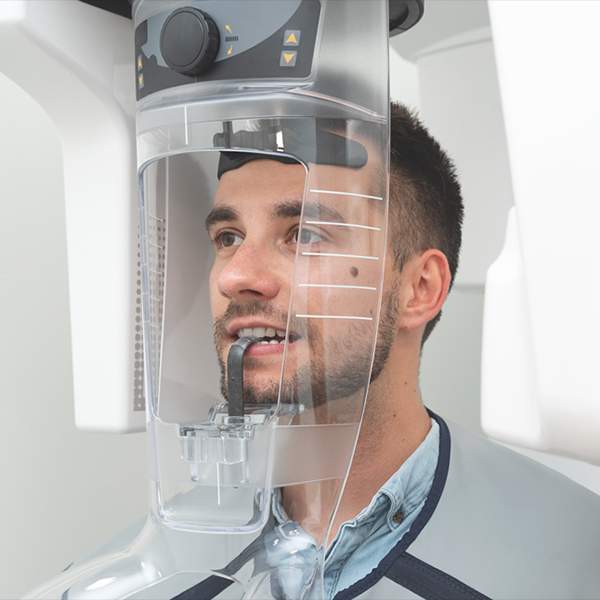
Early evaluations performed by an experienced oral surgeon like Dr. Jay Platt play a vital role in identifying potential complications associated with wisdom teeth. These evaluations typically involve a thorough examination of dental X-rays, which provide a clear view of the teeth, their position, and any potential risks. Based on the evaluation, the oral surgeon can determine if wisdom tooth extraction is necessary to prevent future problems.
By addressing potential issues before they occur, individuals can avoid more complex and painful conditions that may arise from untreated wisdom teeth. Early evaluation also enables patients to plan for the extraction procedure at a time that is most convenient for them, minimizing the chances of emergency situations.
Recognizing the signs and symptoms that indicate the need for wisdom tooth removal is essential for maintaining optimal oral health. Seeking early evaluations from experienced oral surgeons like Dr. Jay Platt can provide valuable insights into the potential risks associated with wisdom teeth. To schedule your complimentary wisdom tooth consultation with Dr. Platt, contact our office today!
Read Next:
All You Need To Know: Wisdom Teeth
Related Readings
Wisdom Teeth: Questions Answered
Comments are closed.