
6 Signs It May Be Time to Remove Your Wisdom Teeth
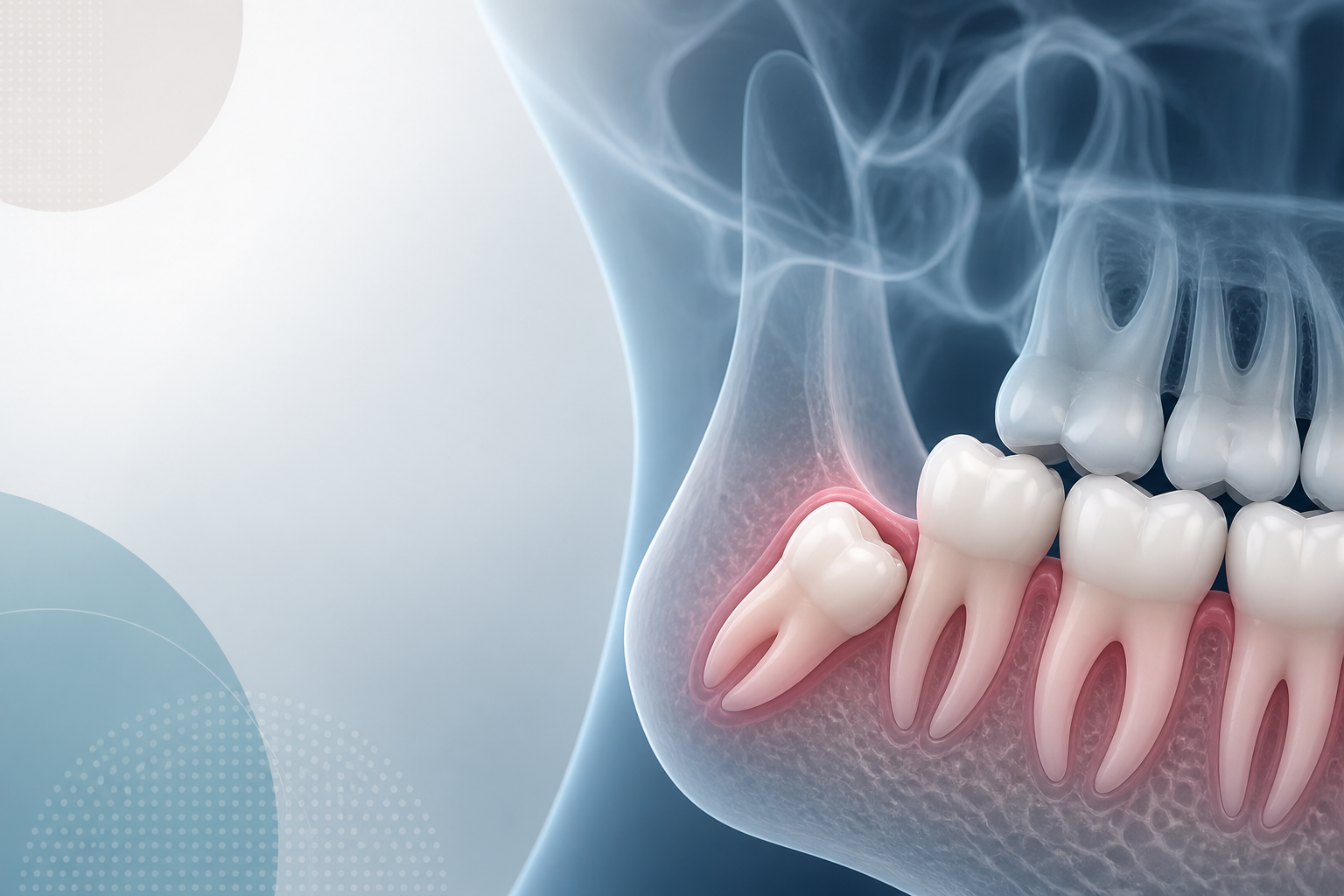
Wisdom teeth, also known as third molars, are the last teeth to develop in the mouth. They usually appear between the ages of 17 and 25, a time often referred to as the “age of wisdom.” While some people have enough space for these teeth to grow normally, many others experience problems when wisdom teeth begin to erupt.
Because wisdom teeth develop at the very back of the mouth, they can be difficult to clean and may not have enough room to grow properly. This can lead to pain, infection, damage to nearby teeth, and other complications. In many cases, oral surgeons recommend removing wisdom teeth before serious problems develop.
If you are unsure whether your wisdom teeth may need to be removed, there are several warning signs that may indicate it is time to schedule an evaluation with an oral surgeon.
1. Pain in the Back of the Mouth
One of the most common signs of problematic wisdom teeth is pain or discomfort in the back of the jaw. Often this pain is intermittent at first. However, often times it becomes more constant and bothersome as time goes on.
Wisdom teeth often grow at awkward angles or become trapped beneath the gums or bone, a condition known as impaction. When this happens, pressure can build against neighboring teeth and surrounding tissues, leading to soreness, jaw stiffness, or headaches.
Persistent discomfort in the back of the mouth should always be evaluated by a dental professional to determine whether wisdom teeth are the cause.
2. Swelling or Infection Around the Gums
Wisdom teeth that only partially emerge through the gums can create a small flap of tissue where food particles and bacteria easily become trapped. This condition, known as pericoronitis, can lead to inflammation, swelling, and infection around the affected tooth.
Signs of infection around a wisdom tooth may include red or swollen gums, tenderness when chewing, a bad taste in the mouth, persistent bad breath, or difficulty opening the mouth fully.
These infections can recur repeatedly if the wisdom tooth remains in place, which is why removal is often recommended once this problem develops.
3. Crowding or Shifting Teeth
When wisdom teeth begin pushing against neighboring teeth, they may contribute to crowding or shifting of the teeth in the mouth. Because wisdom teeth erupt last, they sometimes force their way into areas where there simply is not enough room.
This pressure can affect the alignment of nearby teeth and may undo years of orthodontic treatment in some patients. Removing wisdom teeth before they cause significant movement can help protect the position of the surrounding teeth.
4. Jaw Pain or Stiffness
Impacted wisdom teeth can place pressure on surrounding bone and tissues, which may lead to jaw discomfort or stiffness. Some patients notice soreness when opening their mouth widely, chewing, or yawning.
This pressure can also contribute to inflammation in nearby tissues, which may make the jaw feel tight or fatigued. In some cases, impacted wisdom teeth can even contribute to tension in the muscles surrounding the jaw.
If jaw discomfort develops near the area where wisdom teeth are located, an oral surgeon can evaluate whether the teeth are contributing to the problem.
5. Damage to Nearby Teeth
When wisdom teeth grow sideways or push against neighboring molars, they can increase the risk of damage to adjacent teeth. This pressure may contribute to tooth decay, gum disease, or even weakening of the neighboring tooth.
In some situations, bacteria trapped between a wisdom tooth and the tooth in front of it can cause cavities in areas that are difficult to reach with a toothbrush or floss.
Removing wisdom teeth before this damage occurs can help protect the long-term health of surrounding teeth.
6. Cysts or Bone Changes Around Impacted Teeth
Although less common, impacted wisdom teeth can sometimes lead to cyst formation within the jawbone. A cyst is a fluid-filled sac that develops around the tooth and can gradually expand over time.
If left untreated, cysts can damage surrounding bone and nearby teeth. Because these changes often occur beneath the gums, they may only be detected through dental imaging such as panoramic X-rays or 3D scans.
Regular evaluations allow oral surgeons to identify these problems early and recommend treatment before more serious complications develop.
Why Early Evaluation Matters
Even if wisdom teeth are not currently causing pain, many oral surgeons recommend evaluating them during the late teenage years or early adulthood. At this stage, the roots may still be developing and the bone surrounding the teeth is typically more flexible, which can make removal easier and recovery faster.
Early evaluation also allows your oral surgeon to monitor wisdom teeth over time and determine whether removal is necessary before complications occur.
Wisdom Tooth Removal With Dr. Jay Platt
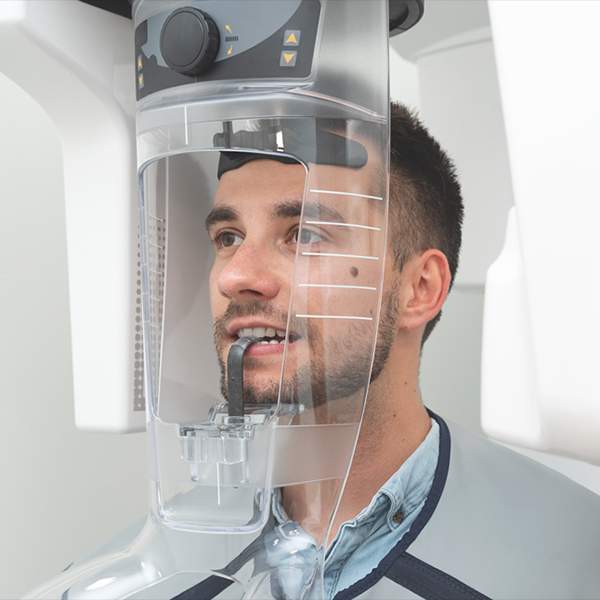
At Jay Platt, DDS Oral Surgery and Dental Implant Center, patients receive personalized care using advanced surgical techniques designed to maximize comfort and safety. Dr. Platt and his team carefully evaluate each patient’s wisdom teeth using modern imaging technology to determine whether removal is recommended.
If wisdom teeth need to be removed, the procedure is performed with a focus on patient comfort, precision, and a smooth recovery process.
Schedule a Wisdom Tooth Consultation
If you are experiencing discomfort in the back of your mouth or have been told that your wisdom teeth may need to be removed, scheduling an evaluation with an experienced oral surgeon is the best next step.
Dr. Jay Platt and his team are committed to providing expert care for wisdom tooth removal and other oral surgery procedures. A consultation can help determine whether your wisdom teeth are developing normally or whether removal may help prevent future complications.
Contact Jay Platt, DDS Oral Surgery and Dental Implant Center today to schedule your consultation and learn more about your treatment options.
Comments are closed.