
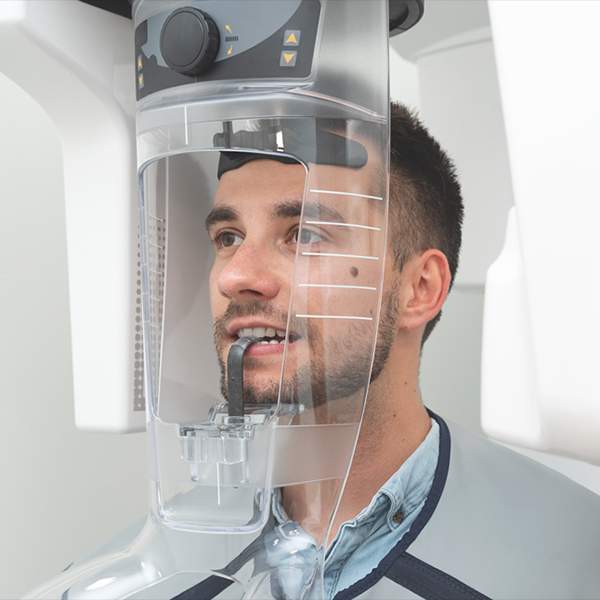
Do My Wisdom Teeth Need to Come Out? Start With a Free Wisdom Tooth Consultation
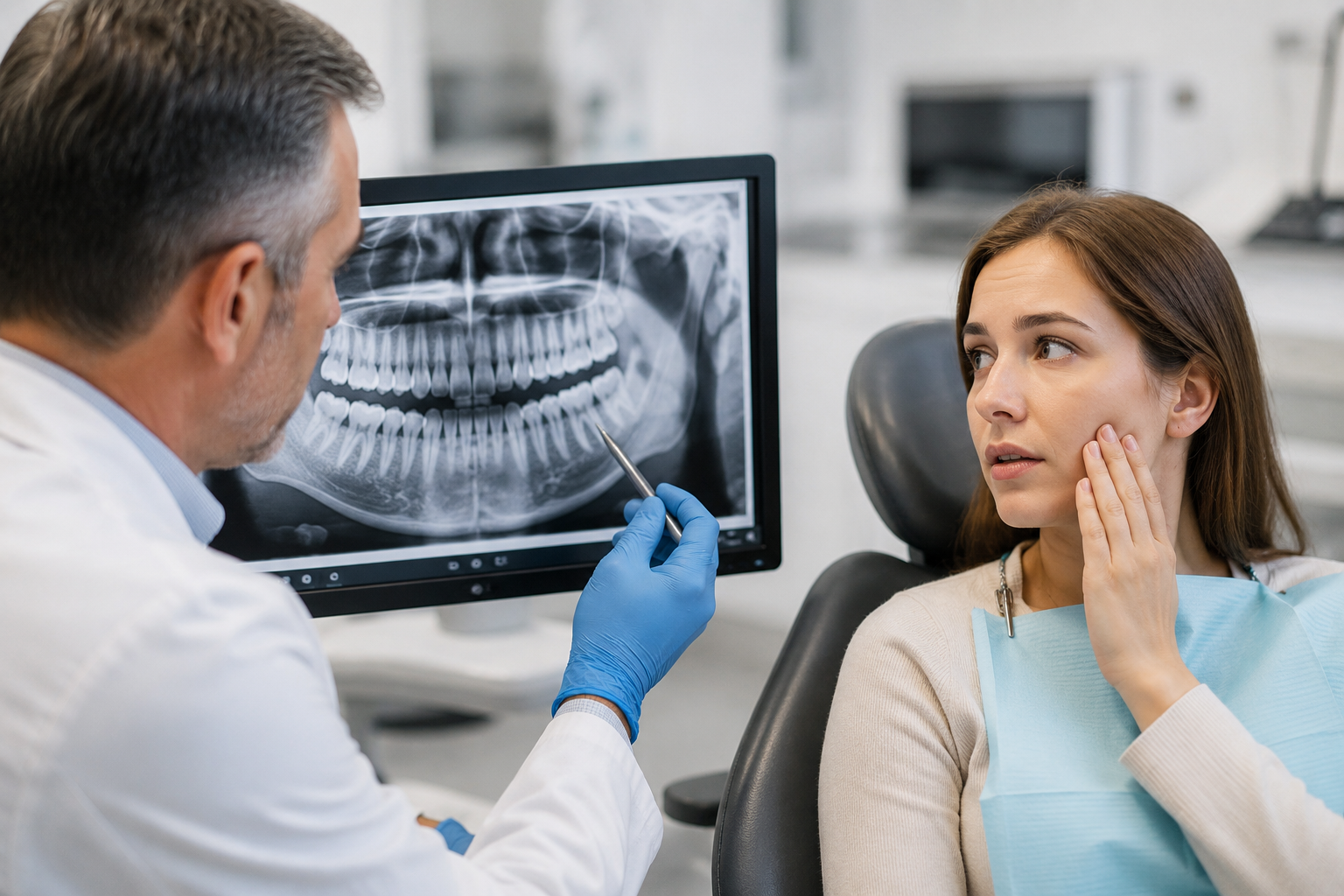
Wisdom teeth can be confusing. Maybe your dentist noticed them on an X-ray. Maybe one has started bothering you. Or perhaps you feel completely fine but have been told that it is time to have them evaluated.
That often leads to a bigger question: Do my wisdom teeth actually need to come out?
There is no single answer that applies to everyone. Some wisdom teeth should be removed, while others may be safely monitored. The first step is finding out what is happening beneath the gums and how your wisdom teeth may affect the rest of your mouth.
At Jay Platt, DDS Oral Surgery and Dental Implant Center, we make that first step easy: your wisdom tooth consultation is always free.
There is no requirement that your appointment be a second consultation or a second opinion. Your initial wisdom tooth consultation at our office is free, whether we are the first office you visit or you are coming to us for another opinion.
Why Have Wisdom Teeth Evaluated If They Don’t Hurt?
One of the biggest misconceptions about wisdom teeth is that they only need attention when they hurt.
Pain is certainly a reason to schedule an evaluation, but the absence of pain does not necessarily mean a wisdom tooth is healthy. The American Association of Oral and Maxillofacial Surgeons (AAOMS) recommends evaluating third molars based on their position, eruption status, function, periodontal health, presence of cavities or disease, and relationship to nearby structures.¹
That is important because problems can sometimes develop before a patient notices symptoms.
Research has also found an association between the presence of third molars and periodontal problems affecting the neighboring second molars. A 2022 systematic review and meta-analysis involving 14,749 third molars found periodontal defects affecting adjacent second molars in a portion of patients with retained third molars.²
In other words, how your wisdom teeth feel is only one part of the picture.
Does Everyone Need Their Wisdom Teeth Removed?
Wisdom teeth that are healthy, fully erupted, functional, easy to clean, and free from disease may sometimes remain in place with appropriate professional monitoring.¹
Other wisdom teeth may be impacted, partially erupted, difficult to clean, positioned against neighboring teeth, or associated with infection, cavities, periodontal problems, cysts, or other disease. In those situations, extraction may be recommended.¹
The decision should therefore be based on your individual anatomy and oral health, rather than automatically removing every wisdom tooth or automatically leaving every symptom-free tooth alone.
That’s one of the reasons a consultation matters.
What Happens During a Wisdom Tooth Consultation?
A wisdom tooth consultation gives your oral surgeon an opportunity to look at more than whether a tooth hurts.
The evaluation generally considers your medical and dental history, symptoms, the position and eruption status of your wisdom teeth, the health of the surrounding gums and neighboring teeth, and appropriate dental imaging.¹
Imaging can provide information that cannot always be determined by simply looking inside the mouth. It can show the position and development of the wisdom teeth, their roots, nearby bone, neighboring second molars, and their relationship to important anatomical structures.¹
Dr. Platt can then put all of that information together and explain what it means for you.
The goal isn’t simply to answer, “Can these teeth be removed?” The more important question is: “What is the best plan for this patient’s long-term oral health?”
Sometimes that means extraction. Sometimes it means continued observation.
Why Does the Position of a Wisdom Tooth Matter?
Wisdom teeth are the last permanent molars to develop, and there may not be enough room for them to erupt into a healthy, functional position.
A wisdom tooth can remain completely beneath the gums or bone, partially emerge into the mouth, or erupt at an angle that makes cleaning difficult.
Its position can also matter to the tooth immediately in front of it—the second molar.
Research suggests that retained third molars can be associated with periodontal problems on the back surface of adjacent second molars. In the 2022 systematic review mentioned earlier, the researchers found that the presence of third molars negatively affected the periodontal status of adjacent second molars in the populations studied.²
This is another reason evaluating wisdom teeth involves looking at more than the wisdom tooth itself.
What If My Wisdom Teeth Aren’t Causing Any Problems Right Now?
This is where individualized decision-making becomes especially important.
AAOMS recommends that third molars without current disease or symptoms be evaluated based on the likelihood of future disease, their functionality, the risks associated with removal, the risks associated with retaining them, and the patient’s overall circumstances.¹
If a wisdom tooth is retained, that does not necessarily mean it should simply be forgotten.
Healthy wisdom teeth that remain in the mouth may require ongoing clinical and radiographic monitoring so changes can be identified over time.¹
For a patient, the important takeaway is simple: you don’t have to diagnose your own wisdom teeth.
An evaluation can tell you whether there is a reason to remove them now, whether they can be monitored, or whether additional follow-up is appropriate.
Is There an Advantage to Having Wisdom Teeth Evaluated Earlier?
Wisdom teeth often become an issue during the teenage and young-adult years, which is why evaluation during this period is common. AAOMS notes that the difficulty and complication rate associated with third-molar removal can increase as patients age, although the decision about surgery should always be individualized.¹
An earlier evaluation does not mean an automatic recommendation for surgery.
It means you have information before a painful problem, infection, or other complication forces you to make a decision quickly.
For parents, this can also make it easier to plan treatment around school, sports, college, work, travel, and other commitments if removal is recommended.
If you or your child has wisdom teeth that need to be evaluated, schedule a free consultation with Dr. Jay Platt and get the information you need to decide what comes next.
References
- American Association of Oral and Maxillofacial Surgeons. Management of Third Molar Teeth. AAOMS; 2024. Accessed August 8, 2026. AAOMS Management of Third Molar Teeth
- Yang Y, Tian Y, Sun LJ, Qu HL, Chen FM. Relationship between presence of third molars and prevalence of periodontal pathology of adjacent second molars: a systematic review and meta-analysis. Chin J Dent Res.2022;25(1):45-55. doi:10.3290/j.cjdr.b2752683. PubMed record
Comments are closed.