
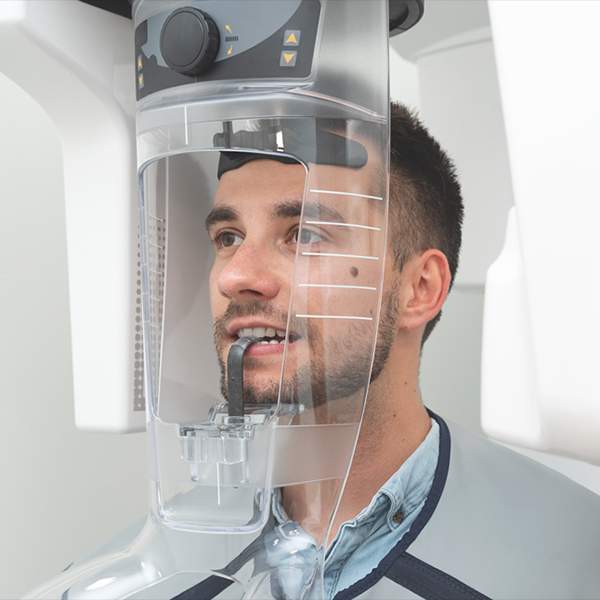
How Digital Technology Is Changing Dental Implant Care
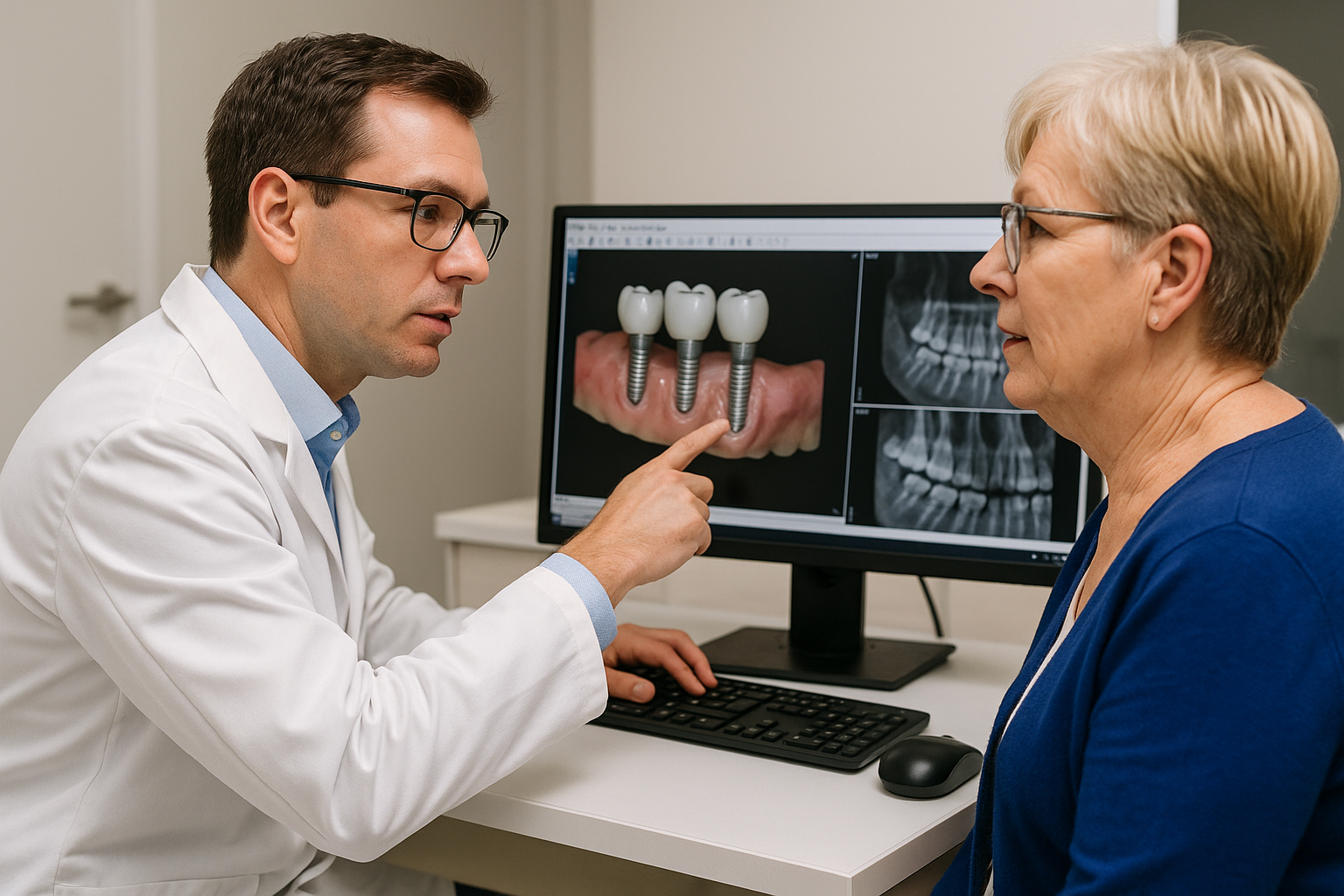
Dentistry today uses groundbreaking digital tools that make dental implant treatment more accurate, comfortable, and predictable for every patient. These new technologies help doctors plan, place, and restore implants with greater confidence and success (1-3). The results are improved comfort, faster healing, and beautiful smiles that last a lifetime. Digital dentistry isn’t just about new gadgets and fun toys—it’s about creating a smoother, safer, and more efficient experience from the very first appointment to the final restoration for both the doctor AND the patient.
What’s Changed
In the past, dentists used traditional methods like messy molds, flat 2D X‑rays, and freehand placement. These older techniques worked but could sometimes lead to uneven results or extra adjustments. Digital dentistry has completely changed that. Now, doctors use cone‑beam CT scans (CBCT), intraoral scanners, and advanced 3D planning software to see your mouth in remarkable detail before surgery. With this information, they can plan the exact position of each implant ahead of time, making the procedure safer and more predictable (3,4).
For patients, the advantages of digital workflows are easy to see and feel. Digital impressions replace sticky molds, making pre-operative appointments cleaner, faster, and much more comfortable. These scans also mean that crowns, bridges, and implant restorations fit more precisely, reducing the need for adjustments later. Because the procedure is pre‑planned digitally, the actual surgery is quicker, often less invasive, and usually involves less swelling or discomfort afterward (1,2,4,5). Studies show that patients often experience faster recovery and greater satisfaction when doctors use advanced digital planning at every stage of care (1,2).
Beyond comfort and precision, digital systems help keep everyone involved in your care connected. Oral surgeons, restorative dentists, and dental labs can share digital files instantly for seamless interprofessional collaboration. This teamwork makes sure that your implant is not only placed accurately but also restored with the perfect look and bite. This easy communication between each professional saves time, reduces errors, and ensures that every detail—from bone structure to final smile design—is aligned with your treatment plan (1,2)
At Jay Platt, DDS Oral Surgery & Dental Implant Center, we use these advanced tools every single day. Our digital workflow combines CBCT imaging, 3D planning, and guided surgery to make treatment as efficient and precise as possible. Whether you need a single implant or a full‑arch restoration, our technology helps us plan with confidence and deliver results that last. By investing in digital systems, we can give patients a higher level of comfort, safety, and accuracy at every stage of their journey (1,3).
If you’ve ever been nervous about dental implant surgery, it’s reassuring to know that modern techniques have made the process more predictable than ever. Digital technology helps doctors see your anatomy clearly, avoid sensitive areas, and ensure your implants are placed where they will function best. Every scan, guide, and image works together to give you a healthier, more confident smile faster and with fewer complications than before.
For Dental Professionals: Learn from Dr. Will Martin
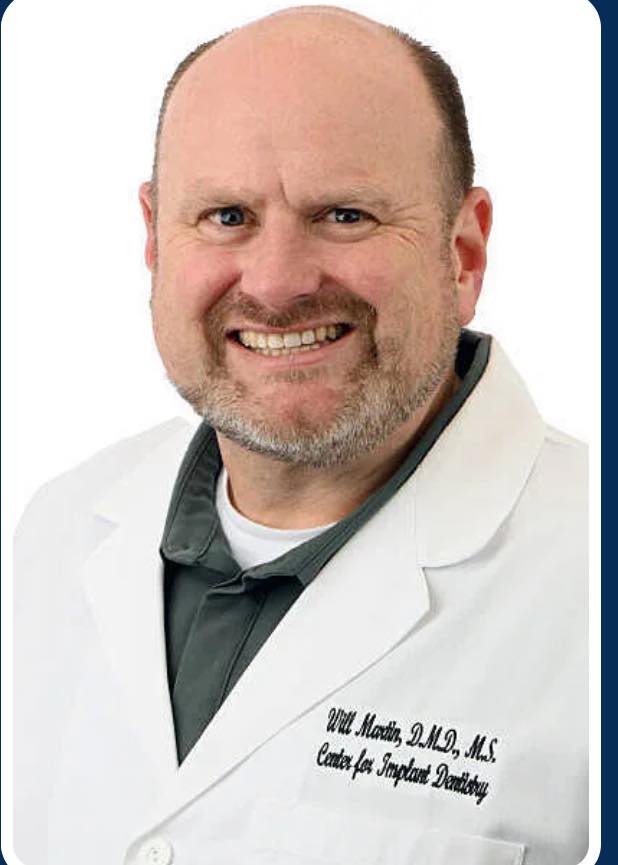
On Friday, November 14th, 2025, we’re excited to host a continuing education event exclusively for doctors, featuring Dr. Will Martin. His presentation, “Utilizing Digital Technologies & Workflows to Streamline & Improve Patient Treatment Outcomes with Dental Implants,” will be held from 8:00 a.m. to noon at The Jay Platt Learning Center (upstairs from Dr. Platt’s office) in Schererville, IN. Dr. Martin will share practical strategies and real‑world examples showing how digital systems improve precision, save time, and enhance patient satisfaction. This session is ideal for doctors who want to stay ahead of the curve and deliver the best results possible with the help of digital dentistry.
If you’re a referring doctor or dental professional, contact our office to reserve your seat today—space is limited, and this event is expected to fill quickly!
References
- Khaohoen A, Powcharoen W, Sornsuwan T, Chaijareenont P, Rungsiyakull C, Rungsiyakull P. Accuracy of implant placement with computer‑aided static, dynamic, and robot‑assisted surgery: a systematic review and meta‑analysis of clinical trials. BMC Oral Health. 2024;24:359. doi:10.1186/s12903-024-04033-y
- Sadilina S, Vietor K, Doliveux R, et al. Beyond accuracy: clinical outcomes of computer‑assisted implant surgery—A systematic review. Clin Exp Dent Res. 2025;11(3):e70129. doi:10.1002/cre2.70129
- Hussaini S, Glogauer M, Sheikh Z, Al‑Waeli H. CBCT in dental implantology: A key tool for preventing peri‑implantitis and enhancing patient outcomes. Dent J (Basel). 2024;12(7):196. doi:10.3390/dj12070196
- Jánosi KM, Cerghizan D, Mártha KI, et al. Evaluation of intraoral full‑arch scan versus conventional preliminary impression: efficiency, treatment comfort, and trueness. J Clin Med. 2023;12(17):5508. doi:10.3390/jcm12175508
- Bandiaky ON, Le Bars P, Gaudin A, et al. Comparative assessment of complete‑coverage, fixed tooth‑supported prostheses fabricated from digital scans or conventional impressions: a systematic review and meta‑analysis. J Prosthet Dent. 2022;127(1):71‑79. doi:10.1016/j.prosdent.2020.09.017
Comments are closed.