

Understanding Oral and Oropharyngeal Cancers: An In-Depth Guide
Worldwide, over 550,000 new cases of oral, head, and neck cancers are diagnosed each year. These cancers have a significant impact on individuals’ health and quality of life, making awareness and early detection crucial. This guide delves into the nuances of oral and oropharyngeal cancers, their causes, and the importance of regular check-ups and screenings.
Oropharyngeal Cancer vs. Oral Cancer
Oropharyngeal cancer differs slightly from oral cancer in terms of its location and primary causes. Oropharyngeal cancers are related to the Human Papilloma Virus (HPV) and typically occur in the tonsils or at the base of the tongue. On the other hand, oral cancers are found within the mouth and are usually associated with tobacco use. Understanding these distinctions is key to recognizing and addressing these types of cancers effectively.
The Oral Cavity
The oral cavity includes several critical parts of the mouth:
- Lips: The visible outer part of the mouth.
- Inside lining of the lips and cheeks: The mucous membranes inside the mouth.
- Teeth: Essential for chewing and overall oral health.
- Gums: The soft tissue that surrounds and supports the teeth.
- Front two-thirds of the tongue: A major part of the tongue involved in taste and speech.
- Floor of the mouth below the tongue: The area beneath the tongue.
- Hard palate: The bony roof of the mouth.
The Oropharynx
Located behind the wisdom teeth and part of the throat just behind the mouth, the oropharynx includes:
- Base of the tongue: The posterior third of the tongue.
- Soft palate: The soft part at the back of the roof of the mouth.
- Tonsils: Two lymphoid tissues located at the back of the throat.
- Side and back wall of the throat: The walls of the pharynx.
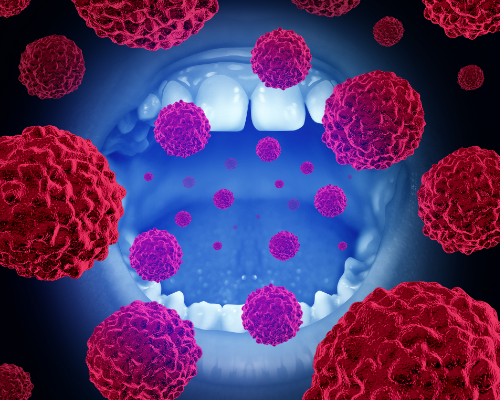
Oropharyngeal cancers affect these areas, often linked to HPV infections.
Categories of Oral and Oropharyngeal Cancers
Oral and oropharyngeal cancers are categorized into three main types:
- Benign (non-cancerous) growths: These are harmless and do not spread to other parts of the body.
- Pre-cancerous growths: These are not yet cancerous but have the potential to develop into cancer.
- Cancerous tumors: Malignant growths that can invade nearby tissues and spread to other parts of the body.
The Importance of Regular Check-Ups
Regular check-ups with your dental professional are vital for your overall well-being. During these visits, your dentist can perform oral cancer screenings to detect any early signs of cancer or pre-cancerous conditions. Early detection significantly increases the chances of successful treatment and recovery.
The Multidisciplinary Treatment Team
The treatment of head and neck cancers involves a multidisciplinary team of professionals, including:
- Surgeons: Perform surgical procedures to remove tumors.
- Radiation oncologists: Use radiation therapy to target cancer cells.
- Medical oncologists: Administer chemotherapy and other medications.
- Dentists: Provide oral care and screenings.
- Nutritionists: Help manage diet and nutrition during treatment.
- Speech therapists: Assist with speech and swallowing difficulties.
Risk Factors and Prevention
Oral cancers are often diagnosed at late stages (three and four) about 66% of the time. Understanding and mitigating risk factors can play a crucial role in prevention. Major risk factors include:
- Tobacco use: Smoking or chewing tobacco significantly increases the risk of developing oral cancers.
- Heavy alcohol consumption: Alcohol use, especially in combination with tobacco, elevates the risk.
- HPV infection: A major risk factor for oropharyngeal cancers.
- Poor oral hygiene: Maintaining good oral hygiene can help reduce the risk.
- Sun exposure: Excessive exposure to the sun can increase the risk of lip cancer.
Signs and Symptoms
Recognizing the signs and symptoms of oral and oropharyngeal cancers early can be a big help in preventing these dreaded illnesses. Common symptoms of oropharyngeal cancer include:
- Sores that do not heal: Persistent sores or ulcers in the mouth.
- Lumps or thickening: Any lumps or thickened areas in the mouth or neck.
- Red or white patches: Unusual red or white patches on the gums, tongue, or lining of the mouth.
- Difficulty swallowing: Pain or difficulty when swallowing.
- Persistent sore throat: A sore throat that does not go away.
- Numbness: Numbness in the tongue or other areas of the mouth.
- Voice changes: Persistent hoarseness or other voice changes.
The Role of HPV in Oropharyngeal Cancers
The Human Papilloma Virus (HPV) is a significant cause of oropharyngeal cancers. HPV is a common virus that can be transmitted through intimate skin-to-skin contact, including sexual activity. HPV-related oropharyngeal cancers often affect younger individuals and those who do not have the traditional risk factors such as smoking or heavy alcohol use. Vaccination against HPV can significantly reduce the risk of these cancers.
The Impact of Tobacco Use
Tobacco use is one of the leading causes of oral cancers. According to the American Cancer Society, about 80% of people with oral cavity and oropharyngeal cancers use tobacco. Smokers are several times more likely than non-smokers to develop these cancers. Quitting smoking and avoiding tobacco products can greatly reduce the risk of developing oral cancer.
Statistics on Oral and Oropharyngeal Cancers
Here are some key statistics to understand the prevalence and impact of these cancers:
- The American Cancer Society estimates that approximately 54,000 people in the United States will be diagnosed with oral or oropharyngeal cancer in 2023.
- Oral and oropharyngeal cancers account for about 3% of all cancers diagnosed annually in the U.S.
- Men are more than twice as likely as women to develop these cancers.
- The five-year survival rate for localized oral cavity and pharynx cancers is about 84%, but it drops to around 65% for cancers that have spread to nearby tissues or lymph nodes.
Importance of Self-Examination
In addition to regular dental check-ups, it is crucial for individuals to perform self-examinations at home. Here’s how you can conduct a self-examination:
- Look in a mirror: Check your lips, gums, and the inside of your mouth for any unusual sores or lumps.
- Feel your neck: Gently feel for any lumps or swelling in your neck.
- Check your tongue: Stick out your tongue and check the sides and underside for any red or white patches.
- Examine your throat: Use a flashlight to look at the back of your throat for any abnormalities.
Conclusion
Understanding the distinctions between oral and oropharyngeal cancers, recognizing risk factors, and knowing the signs and symptoms are essential steps in prevention and early detection. Regular dental check-ups and self-examinations can help catch these cancers in their early stages, increasing the chances of successful treatment. If you have any concerns or notice any unusual changes in your mouth or throat, do not hesitate to contact a healthcare professional.
For more information and to schedule your routine dental check-up and oral cancer screening, call Jay Platt, DDS, PC at 219-864-1133. Early detection can make a significant difference in your treatment outcomes and overall health.
References
- American Cancer Society. (2023). Key Statistics for Oral Cavity and Oropharyngeal Cancers. Retrieved from https://www.cancer.org/cancer/oral-cavity-and-oropharyngeal-cancer/about/key-statistics.html
- World Health Organization. (2022). Oral cancer. Retrieved from https://www.who.int/news-room/fact-sheets/detail/oral-cancer
- National Cancer Institute. (2023). HPV and Cancer. Retrieved from https://www.cancer.gov/about-cancer/causes-prevention/risk/infectious-agents/hpv-and-cancer
- Centers for Disease Control and Prevention. (2023). Tobacco and Cancer. Retrieved from https://www.cdc.gov/cancer/tobacco/index.htm
Comments are closed.