

Understanding Dental Implant Procedures
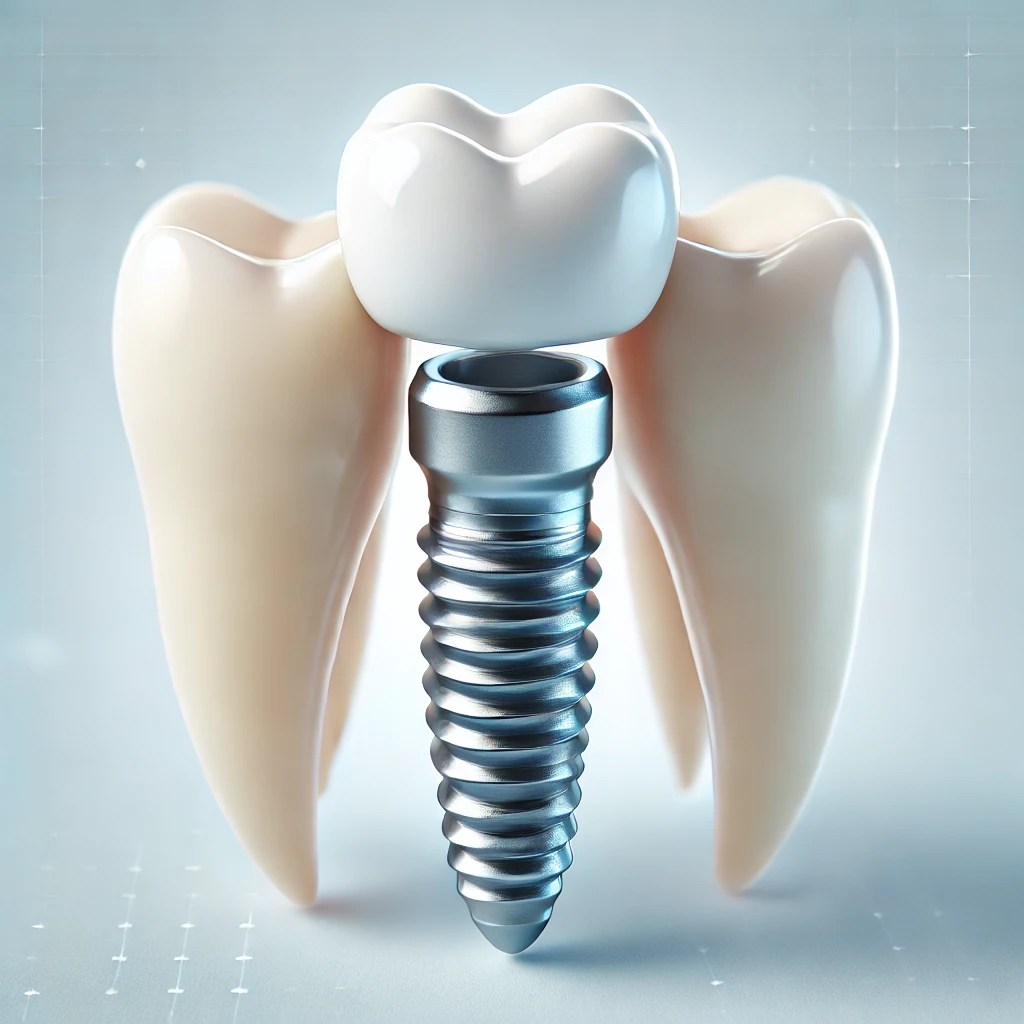
Dental implants have become a cornerstone in restorative dentistry, offering a robust and long-lasting solution for patients with missing teeth. The versatility and durability of dental implants make them a preferred choice over traditional restorative techniques such as dentures and bridges. This blog explores the various situations where dental implants may be necessary, the implications of these procedures, the challenges involved, and the benefits they provide compared to other restorative options. We will also include relevant statistics and references to support our statements.
When it comes to single tooth loss, dental implants provide an ideal replacement solution, especially when the tooth is lost due to trauma, decay, or periodontal disease. The procedure involves placing a titanium post into the jawbone, which acts as a root, and then attaching a crown to this post. One of the primary challenges is ensuring sufficient bone density in the jaw to support the implant. If the bone has deteriorated, a bone graft may be necessary, extending the treatment time. Compared to a traditional bridge, which requires adjacent healthy teeth to be ground down, a dental implant does not affect neighboring teeth. The implant provides a permanent solution that can last a lifetime with proper care, whereas bridges typically need replacement every 10-15 years. According to the American Association of Oral and Maxillofacial Surgeons (AAOMS), dental implants have a success rate of up to 98% for single-tooth replacements.
For patients missing several teeth, implants can support a bridge, involving the placement of two or more implants to support a fixed bridge. As with single implants, bone density is a significant factor, and ensuring that the implants are correctly positioned to support the bridge and maintain proper bite alignment can be complex. Implant-supported bridges are more stable and comfortable than removable partial dentures, preventing bone loss and maintaining facial structure, which can be compromised with missing teeth and traditional dentures. A study published in the Journal of Clinical Periodontology found that implant-supported bridges have a survival rate of over 90% after ten years.
Patients who have lost all teeth in an arch can benefit from full arch replacements, often referred to as All-on-4 or All-on-6 implants, where four or six implants support a full set of teeth. This procedure requires comprehensive planning and a high level of surgical skill. Patients may need bone grafts or sinus lifts if there is insufficient bone volume. Full arch replacements are more stable and functional than full dentures, providing better chewing efficiency, improving speech, and enhancing overall oral health by preventing bone resorption. Research in the International Journal of Oral & Maxillofacial Implants indicates a 95% success rate for All-on-4 implants over ten years.
Preventing bone loss is another critical reason for choosing dental implants. After tooth loss, the jawbone can begin to deteriorate, but implants stimulate the bone, preventing this resorption. The key challenge here is the timing of the implant placement. If too much time has passed since the tooth loss, significant bone loss might have already occurred, necessitating bone grafting. Unlike dentures or bridges, implants integrate with the jawbone, providing stimulation that preserves bone structure and density. Studies show that within the first year after tooth loss, the jawbone can lose up to 25% of its volume. Implants can prevent this loss entirely when placed promptly.
For patients struggling with loose dentures, implants can provide stability by anchoring the dentures securely to the jaw. Adjusting to the new sensation and ensuring proper fit and hygiene can be challenging initially, but implant-retained dentures offer significantly improved comfort, stability, and functionality compared to traditional dentures. They eliminate the need for adhesives and reduce gum irritation. According to the American Dental Association, implant-retained dentures have a success rate of around 90% and can significantly enhance the quality of life for denture wearers.
Dental implants offer a versatile and effective solution for various dental issues, from single tooth replacement to full arch restoration. While the procedures can be complex and require careful planning and execution, the long-term benefits often outweigh the challenges. Implants provide a permanent, stable, and aesthetically pleasing solution that preserves jawbone health and maintains facial structure. Compared to traditional restorative techniques, implants offer superior functionality, comfort, and longevity, making them a preferred choice for many patients.
For more information about dental implants or to schedule your appointment, contact us today!
References:
- American Association of Oral and Maxillofacial Surgeons (AAOMS). (2020). Dental Implants. Retrieved from AAOMS
- Journal of Clinical Periodontology. (2018). Long-term outcomes of dental implants.
- International Journal of Oral & Maxillofacial Implants. (2019). Success rates of All-on-4 implants.
- American Dental Association (ADA). (2021). Implant-Retained Dentures.
By understanding the implications, challenges, and benefits of dental implants, patients and practitioners can make informed decisions that lead to improved oral health and quality of life.
Comments are closed.