
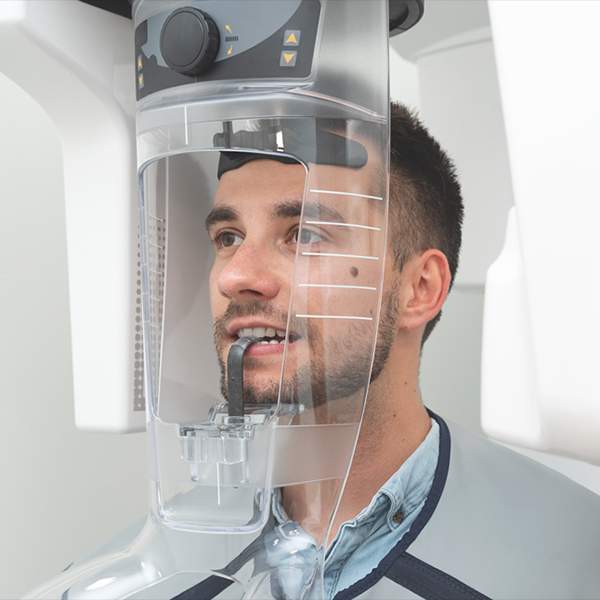
Make Wise Summer Choices about Your Wisdom Teeth
Summer is here! Students have finished finals and are ready for camps, jobs, sports, trips, and long days of fun with friends. But for many families, there’s a hidden worry under the excitement: wisdom teeth.1
Also known as third molars, wisdom teeth usually come in between ages 18 and 24, with the average eruption age being 21 years.1For most people, these late-blooming molars cause no trouble. However, studies show that 54% of individuals will have at least one wisdom tooth removed by age 25—and by age 30, this number climbs to 80%.2
Why do so many people need removal? About 37% of wisdom teeth grow in sideways or only partially emerge; these are called impacted teeth.3 Impacted molars can lead to pain, swelling, and fluid-filled cysts around the tooth. These cysts can weaken the jawbone and even damage nearby teeth. Even if your wisdom teeth don’t hurt at first, about 11% of them eventually get an infection called pericoronitis, which causes redness, bad taste, and trouble opening your mouth.4
Ignoring these warning signs can make matters worse. Untreated infections may spread to surrounding tissues, causing fever, stiff neck, and difficulty swallowing. In rare cases, chronic inflammation from wisdom teeth can even affect overall health by increasing stress on the immune system and impacting how well you eat and sleep.5
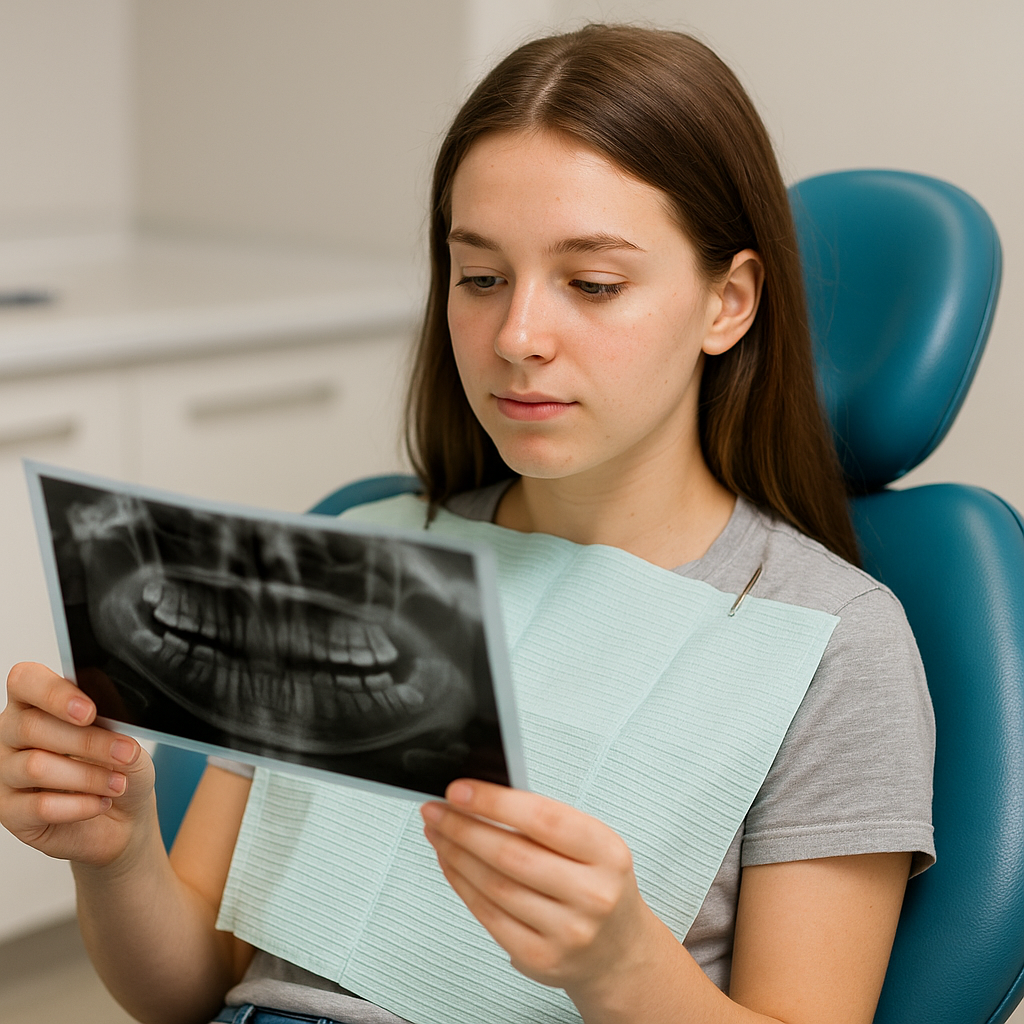
At Dr. Jay Platt’s office in Schererville, Indiana, we begin with a free wisdom-tooth check-up. Dr. Platt will review your dental X-rays, answer your questions, and guide you toward the best decision for your oral health. If monitoring is a safe option, we’ll schedule follow-up visits to track any changes. If removal is the best choice, we’ll set up your procedure at a convenient time.
Your comfort is our top priority. We offer a range of sedation options, from laughing gas to oral sedatives, so you can feel calm and relaxed. Our experienced team, led by Dr. Platt, explains each step in simple terms and gives you easy-to-follow recovery instructions. You’ll learn how to care for your mouth, manage any soreness, and protect your diet as you heal.
Recovery tips include:
- Resting with your head elevated for the first 24 hours
- Applying ice packs to reduce swelling
- Sticking to soft foods like yogurt and smoothies
- Gently rinsing with salt water after meals
- Avoiding straws and smoking to protect healing tissues
We’ll check in by phone or text to make sure you’re feeling well and answer any questions during your recovery. Our goal is to have you back to sports, summer camps, or a beach day as quickly as possible—often with minimal downtime.
Don’t let wisdom-tooth worries cloud your summer. Call Dr. Jay Platt’s office today to schedule your free consultation. A pain-free, worry-free season awaits!
References
- Celikoğlu M, Miloglu O, Kazanci F. Assessment of mandibular third molar eruption timing: a radiographic study. J Oral Maxillofac Radiol. 2012;3(1):9–13.
- Wei SQ, Langland OE. Epidemiology of third-molar removal: a retrospective analysis. J Oral Maxillofac Surg. 2018;76(11):2417–2423. doi:10.1016/j.joms.2018.06.012
- Pinto AC, Francisco H, Marques D, Martins JNR, Caramês J. Worldwide prevalence and demographic predictors of impacted third molars: systematic review with meta-analysis. J Clin Med. 2024;13(24):7533. doi:10.3390/jcm13247533
- Alexander RE. Incidence of pericoronitis in impacted third molars in young adults: a cohort study. J Oral Maxillofac Surg. 1993;51(9):879–882. doi:10.1016/0278-2391(93)90207-7
- Renton T, Wilson NHF. Problems with erupting wisdom teeth: signs, symptoms, and management. Br J Gen Pract. 2016;66(649):e606-e608.
Comments are closed.